
Open a Free Demat Account !
₹0 AMC & Account Opening Fee
What is Tender Period in MCX?

 Last Updated: 24 March, 2026
 4 min read




00:00 / 00:00


When trading in futures and options, you need to understand the concept of expiry and delivery well. This is because there are some contracts that are settled through physical delivery. This is where the tender period in MCX becomes important.
It is the time window that is offered near the expiry of the commodity futures contract to deliver the physical commodity and close the contract. Well, this might sound typical at first, but when you know the details, this is simple
So, let us understand what is tender period in MCX. Also, let us explore why this is important here in this guide.

What is Tender Period in MCX?
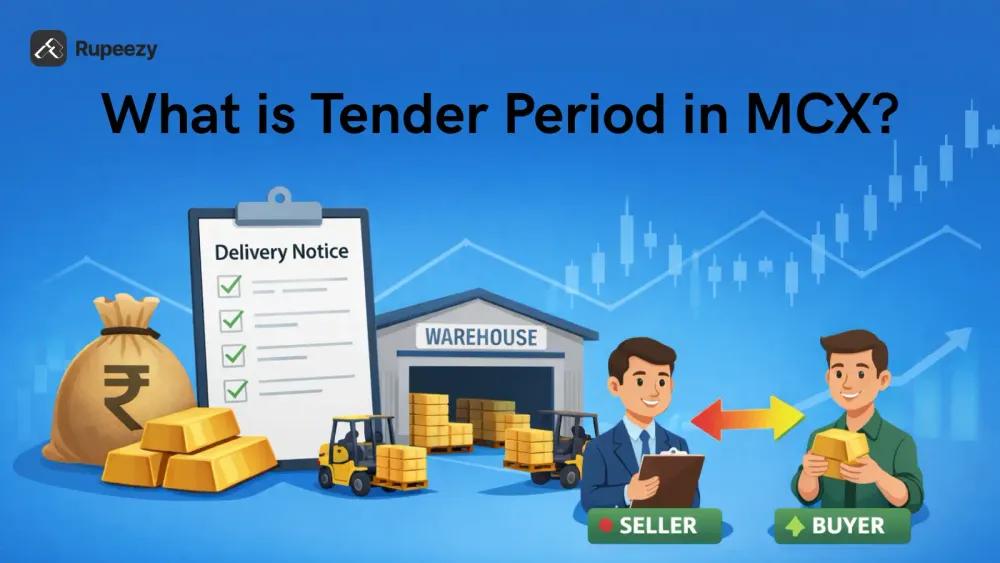
You must know that every futures contract has an expiry date. But there are some contracts that need physical delivery of the product. This happens in a time frame which is called the tender period in MCX. This is mainly used in commodity futures contracts. It is the stage where traders who hold positions close to expiry may either participate in delivery or square off their positions.
Features of Tender Period in MCX
The tender period generally begins a few days before the expiry.
Sellers with short positions can indicate their willingness to deliver the commodity.
Traders holding long positions may be assigned delivery if positions remain open.
Delivery takes place through MCX-approved warehouses and clearing systems.
It mainly applies to physically settled contracts such as gold and silver.
Pros of Tender Period in MCX
Connects futures trading with the physical commodity market.
Can do risk management with the help of hedging plans.
Enables actual delivery of commodities through a regulated process.
Improves price discovery as it links prices to spot markets.
Cons of Tender Period in MCX
Traders may face delivery obligations if they do not exit positions on time.
Additional margins and documentation may be needed.
Liquidity may decline as many traders close positions before the tender period begins.
Not for traders who want short-term speculative exposure.
How the Tender Period in MCX Works
The tender period in MCX follows a structured process. This is mainly to facilitate the physical delivery of commodities. The steps that are followed in the process are as follows:
Step 1: Tender Period Begins
A few days before the expiry of a commodity futures contract, the tender period starts. From this point, traders must decide whether to square off their positions or participate in delivery.
Step 2: Seller Submits Delivery Intention
Traders holding short positions can submit a tender notice. They do this with the exchange, indicating their intention to deliver the physical commodity.
Step 3: Exchange Allocates Buyers
MCX identifies traders holding long positions. Then it assigns them the obligation to accept delivery. It will be based on the exchange’s allocation process.
Step 4: Commodity Delivered Through Approved Warehouses
The seller delivers the commodity to an MCX-approved warehouse. The exchange verifies the quantity and quality of the commodity. This is before completing the process.
Step 5: Final Settlement
Once delivery is confirmed, the buyer pays the contract value. He then receives a warehouse receipt or delivery confirmation. This is where you will see the futures contract settlement.
Tender Period in MCX Gold
The tender period in MCX gold allows physical delivery of gold futures contracts if positions remain open near expiry. During this phase, traders holding short positions can submit a delivery intention, while traders with long positions may be assigned to accept delivery. The gold is delivered through MCX-approved warehouses after verification. Most traders close their positions before the tender period. This is to avoid participating in the physical delivery process.
Conclusion
Understanding the tender period in MCX is important if you are planning to trade in commodity futures. This will help you understand the concept of physical delivery and the time frame that you have to complete the same.
Learning these will help the traders to have better insights and decision-making. And if you are looking for expert insights and support, register with Rupeezy. Get access to better insights, tools, and market guidance.
FAQs
What is tender period in MCX?
The tender period in MCX is the time window before a commodity futures contract expires, when sellers can indicate their intention to deliver the physical commodity.
When does the tender period start in MCX?
The tender period usually starts a few days before the futures contract expiry date, allowing traders to initiate delivery settlement.
What happens if I hold a position during the tender period?
If you hold a long position during the tender period, you may be assigned delivery, while short position holders may need to deliver the commodity.
Does the tender period apply to MCX gold contracts?
Yes. The tender period in MCX gold allows traders to settle gold futures through physical delivery via MCX approved warehouses.
Can traders avoid the tender period in MCX?
Yes. Traders who do not want to participate in delivery usually square off their futures positions before the tender period begins.
Surbhi Bapna is a finance content writer at Rupeezy with more than six years of experience in the finance industry. She holds an MBA degree in Finance from the International Institute of Professional Studies. Surbhi is passionate about integrating finance into people’s daily lives through informative content. She brings in-depth expertise in stocks, personal finance, mutual funds, banking, and investments. Her experience, analytical insights, and commitment to financial research significantly contribute to Rupeezy's comprehensive financial content.
Did you like this blog?
Be the first to like this blog.
The content on this blog is for educational purposes only and should not be considered investment advice. While we strive for accuracy, some information may contain errors or delays in updates.
Mentions of stocks or investment products are solely for informational purposes and do not constitute recommendations. Investors should conduct their own research before making any decisions.
Investing in financial markets are subject to market risks, and past performance does not guarantee future results. It is advisable to consult a qualified financial professional, review official documents, and verify information independently before making investment decisions.


All Category