
Open a Free Demat Account !
₹0 AMC & Account Opening Fee
Everyday Products Made From Crude Oil
 Last Updated: 03 September, 2026
 5 min read




00:00 / 00:00


Summary:
| ||
When most people think about crude oil, they usually picture petrol pumps, diesel prices, or rising fuel costs.
But fuel is only one part of the story.
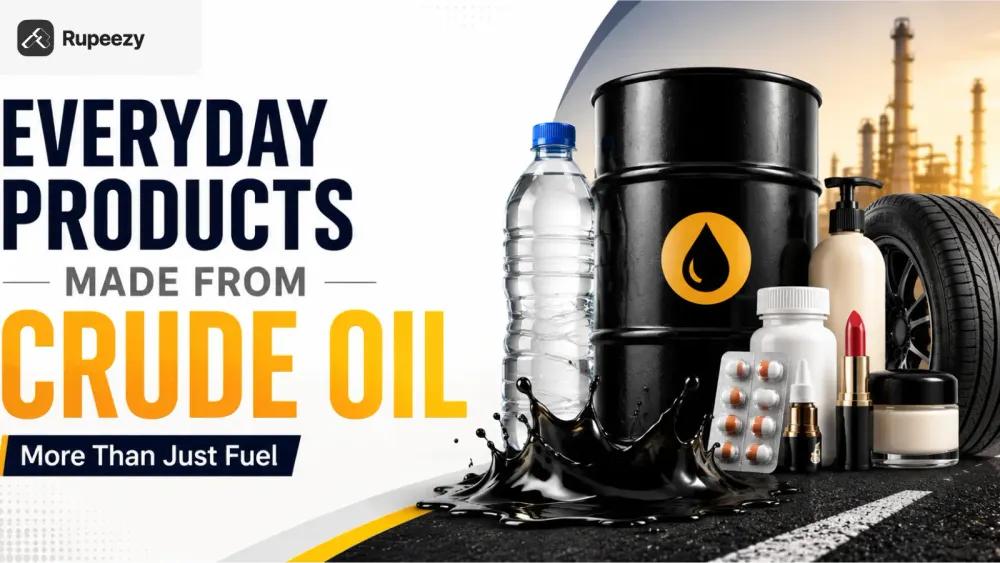
Crude oil quietly powers large parts of modern life through thousands of petroleum-based products used every single day. From food packaging and medicines to cosmetics, tyres, detergents, and roads, many products around us begin their journey inside an oil refinery.
In fact, most people interact with petroleum products in everyday life far more often than they realise. The plastic water bottle on a desk, the medical mask in a hospital, the lipstick in a handbag, or even the asphalt on highways all trace back to crude oil in some form.
This is why the importance of crude oil goes far beyond transportation. It remains deeply connected to manufacturing, healthcare, infrastructure, packaging, and industrial development worldwide.

What Is Crude Oil?
Crude oil is a naturally occurring fossil fuel found deep beneath the Earth’s surface. It is formed over millions of years from organic matter exposed to heat and pressure underground.
Once extracted, crude oil is sent to refineries where it is separated into different components known as refined fractions. Each fraction has different properties and industrial uses.
Some refined products become fuels like petrol, diesel, aviation fuel, and LPG. Others are converted into petrochemicals used for manufacturing plastics, medicines, detergents, cosmetics, synthetic fibres, and thousands of everyday products made from petroleum.
This refining process explains what crude oil is used for beyond transportation. It acts as a foundational raw material for multiple industries that support modern economies.
Everyday Products Made From Crude Oil and Petroleum Derivatives
Refined Fractions

These fuels power transportation, aviation, shipping, and industrial activities worldwide.
Ethylene
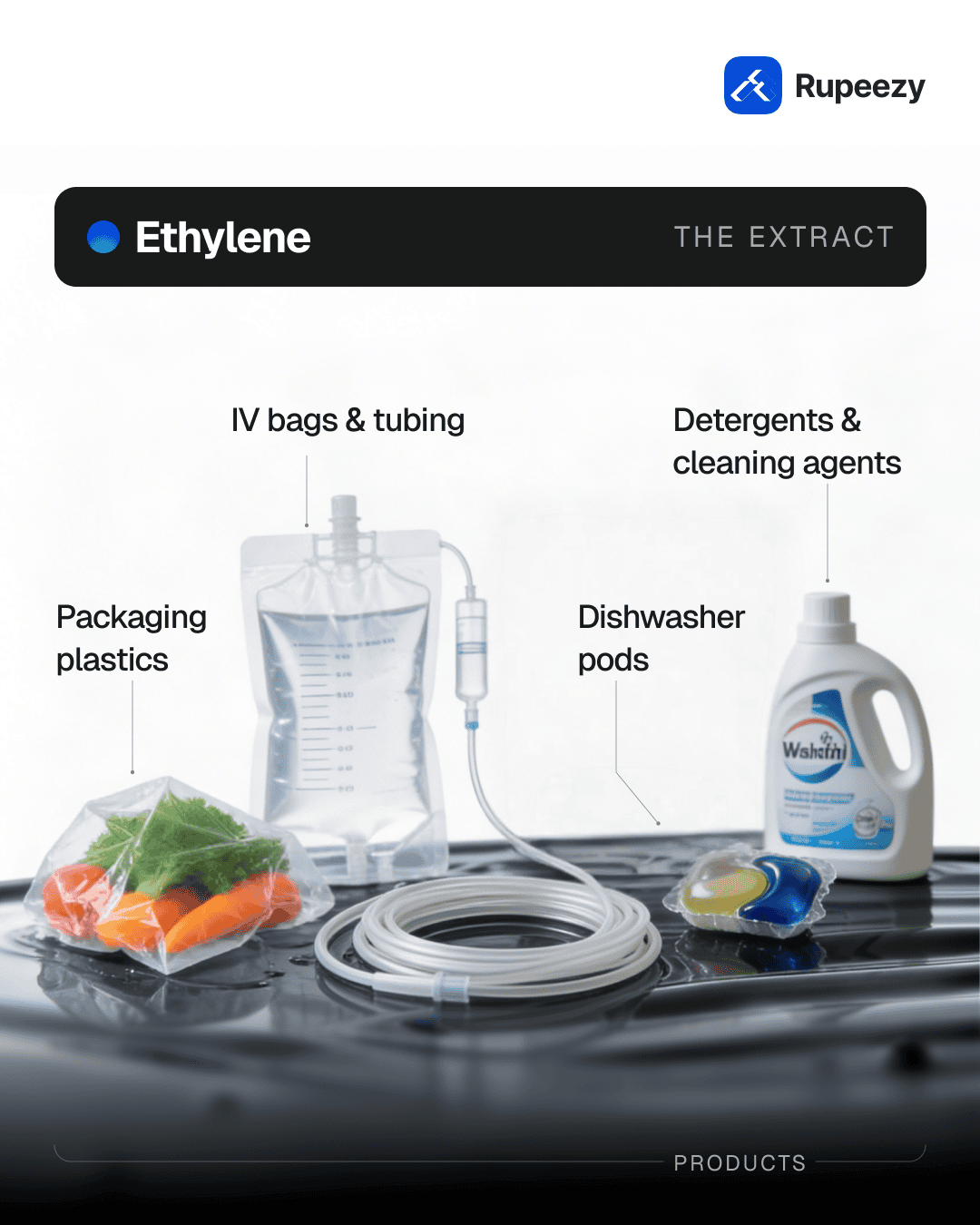
Products like IV bags, plastic packaging, detergents, and cleaning agents are made using ethylene derivatives.
Propylene
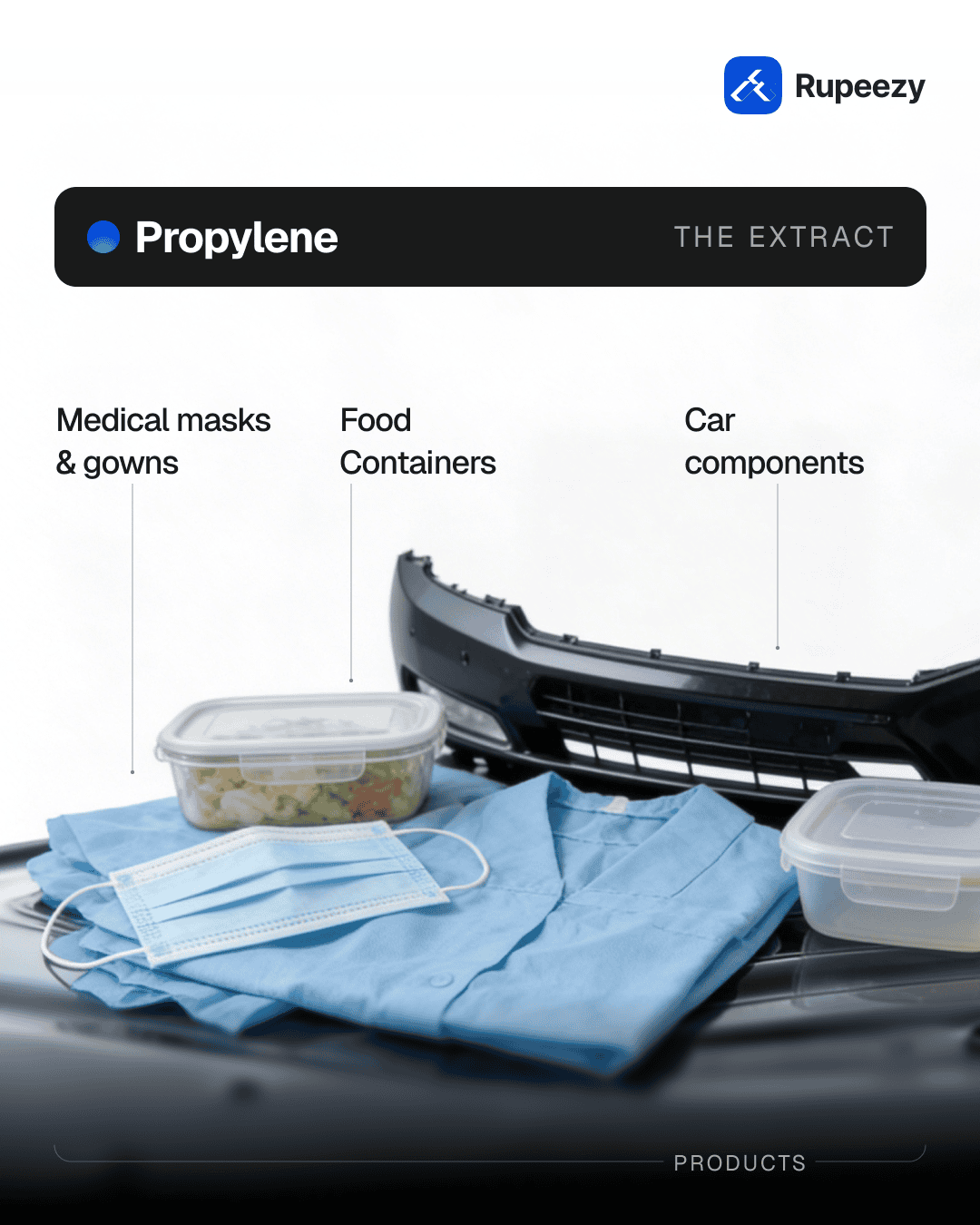
Medical masks, gowns, and several plastic-based consumer products depend on this petrochemical.
Benzene

Products like aspirin, antibiotics, antihistamines, and nylon materials are linked to benzene derivatives.
Toluene/Xylene
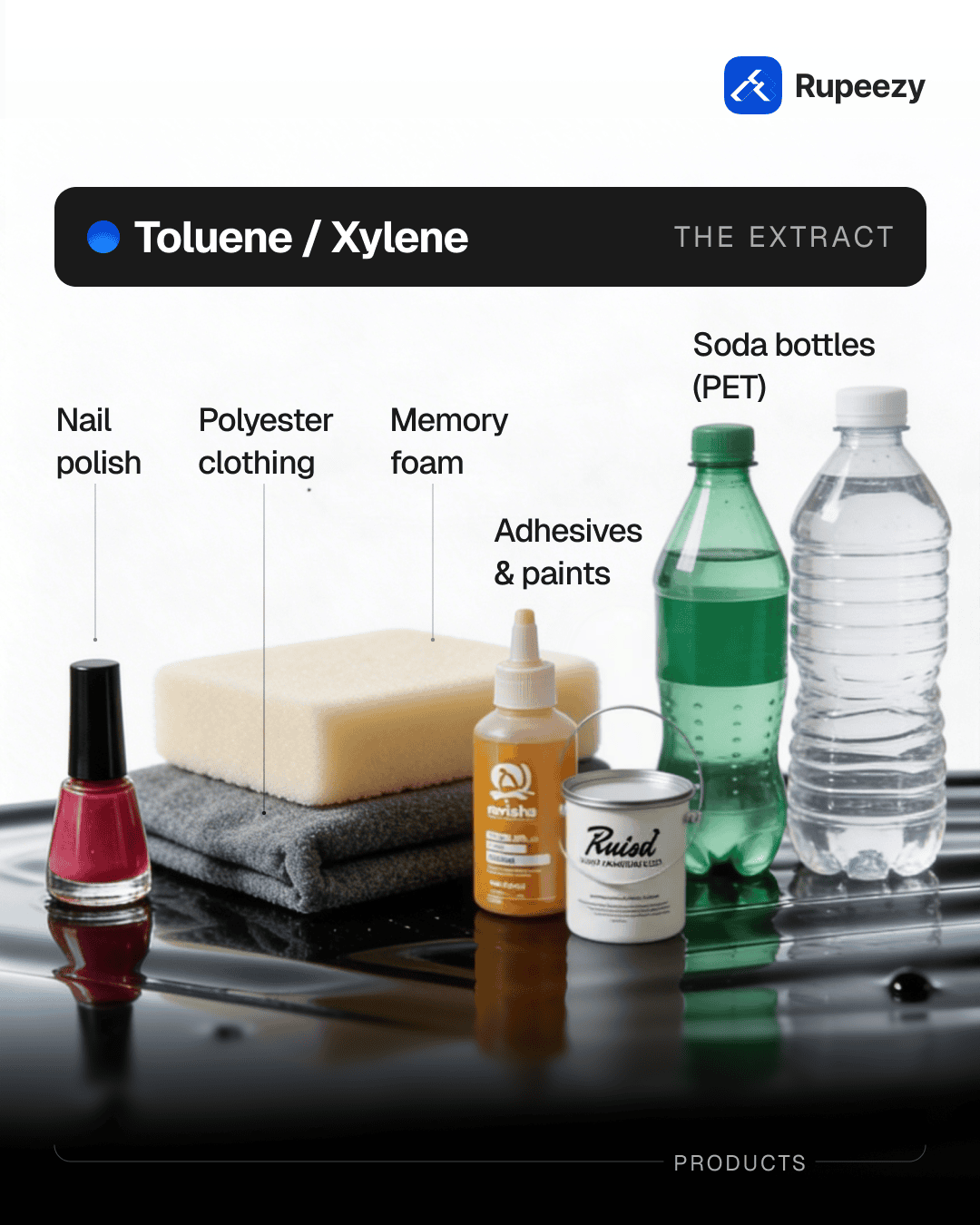
Products like polyester clothing, PET bottles, and nail polish are closely linked to these petroleum derivatives.
Butadiene

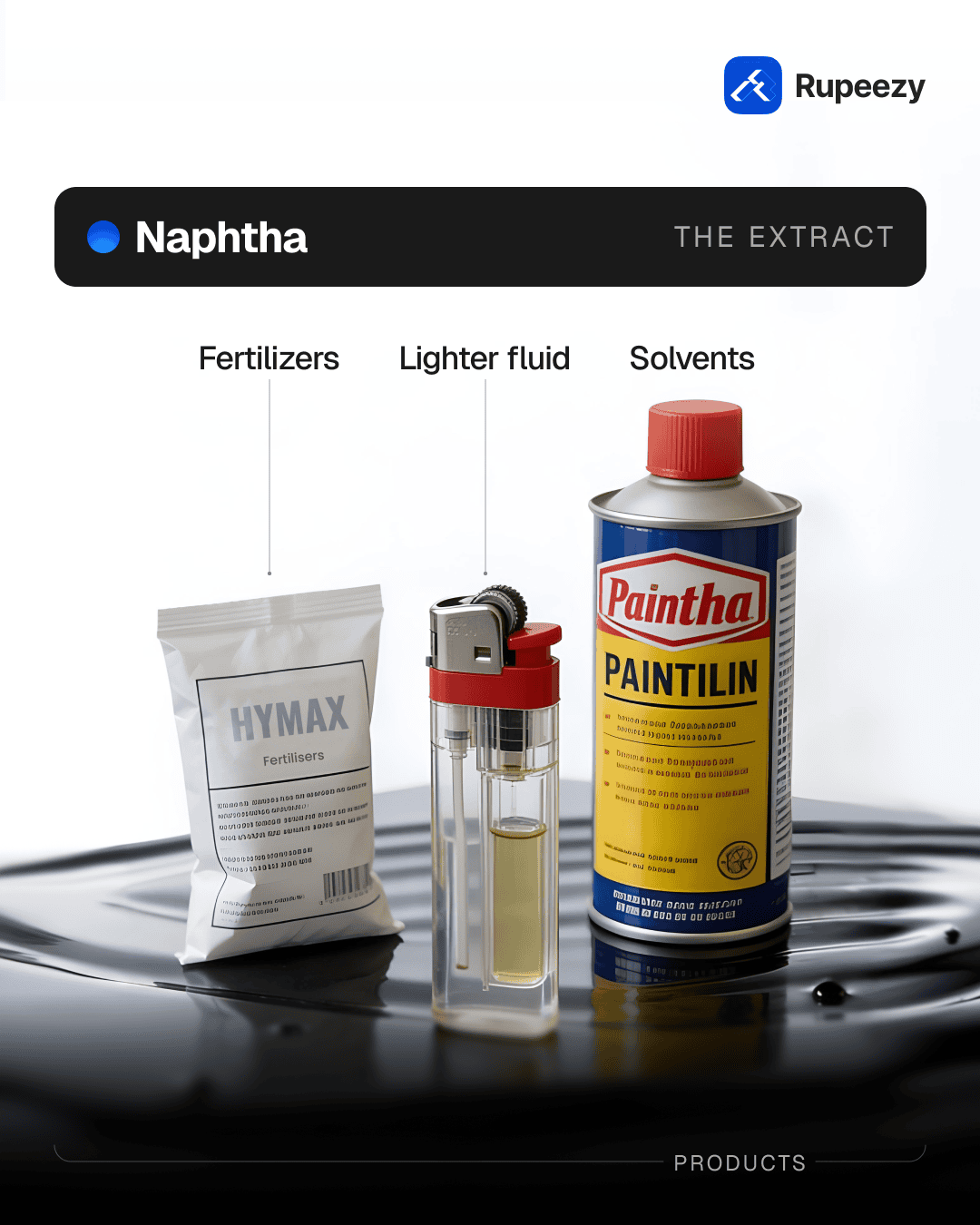
Naphtha
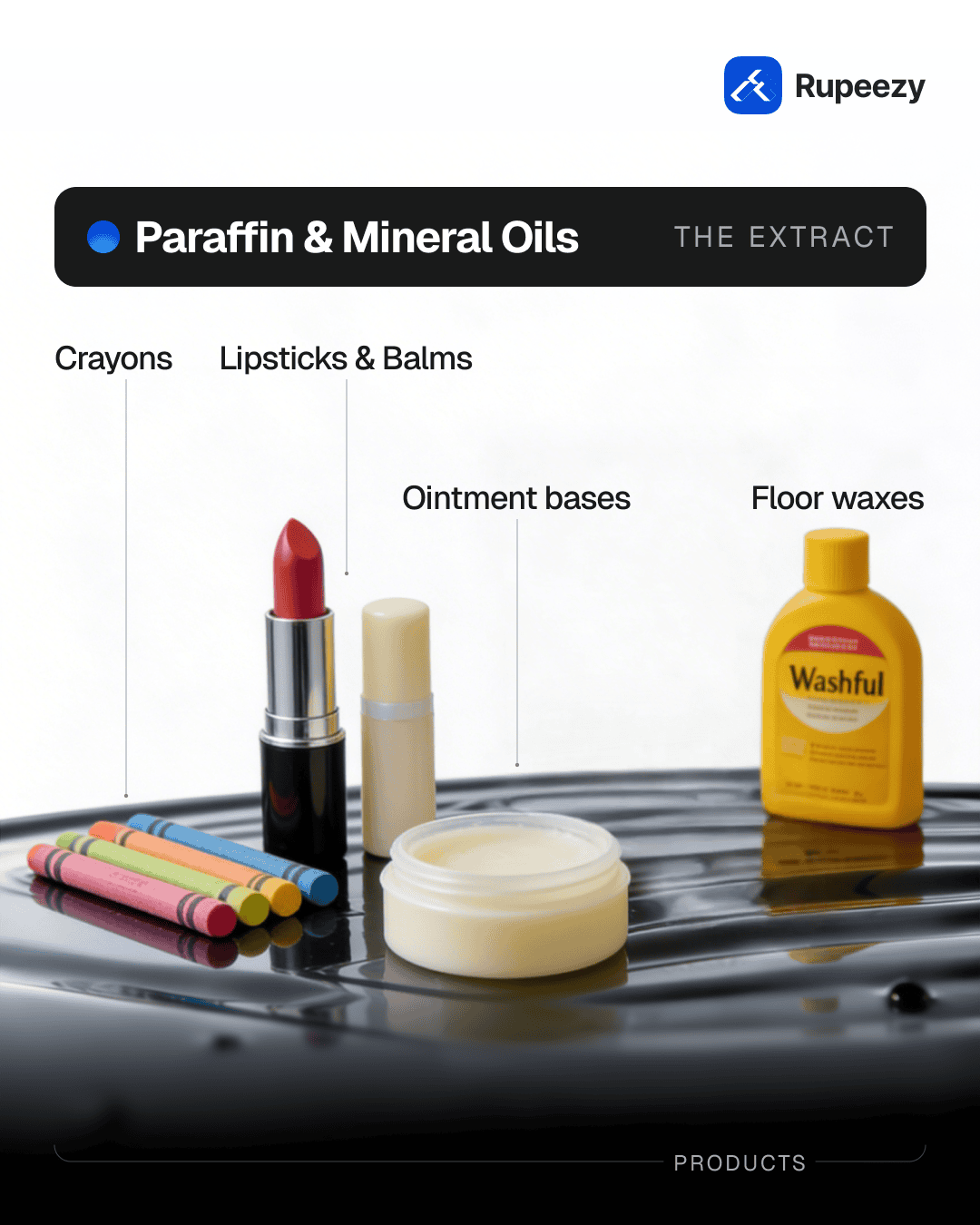
Paraffin & Mineral Oils
Petcoke/Bitumen
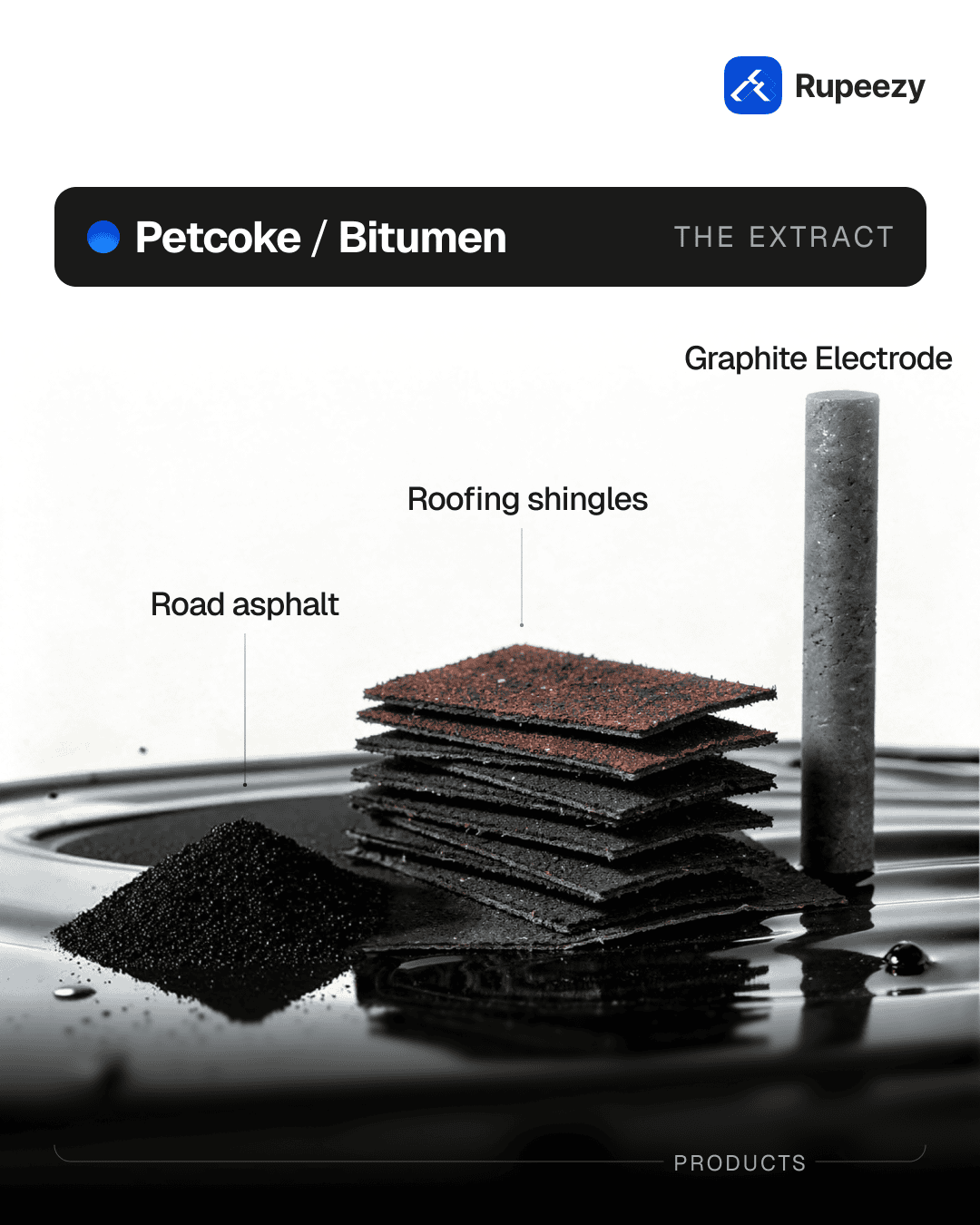
They are essential for road construction, roofing materials, and manufacturing processes like graphite production.
Why Crude Oil Still Matters
Even as countries invest heavily in renewable energy, electric vehicles, and cleaner technologies, crude oil continues to remain deeply connected to the global economy.
While transportation is gradually evolving, many other sectors still rely on petroleum-based materials that are difficult to replace at scale.
Industries such as healthcare, packaging, construction, aviation, manufacturing, textiles, and consumer goods continue to rely heavily on petroleum-based materials. Many of these products are valued for their durability, flexibility, affordability, and industrial usefulness.
Understanding the uses of crude oil in daily life also helps explain why global crude oil prices influence much more than fuel bills. They can affect:
Inflation and household expenses
Transportation and logistics costs
Manufacturing input costs
Airline ticket prices
Packaging and delivery expenses
Global trade and industrial activity
This is one reason why energy trends are closely tracked by governments, businesses, investors, and financial markets worldwide.
Even in a future with cleaner energy adoption, crude oil byproducts and petrochemical products are expected to remain important across multiple industries for years to come.
Crude oil is also actively tracked in commodity markets because its price movements can affect inflation, transportation costs, and broader economic activity. Those interested in following these market trends can also explore MCX crude oil through platforms like Rupeezy while learning more about commodities and global markets.
These factors can also influence broader stock-market sentiment. Investors can check the share market today to see how Nifty, Sensex, and different sectors are responding to changing energy prices and economic conditions.
Conclusion
Crude oil is far more than just a transportation fuel.
Behind many everyday products, from medicines and plastics to cosmetics, tyres, packaging, and roads, petroleum-based materials continue to play an important role in modern life.
While most discussions about crude oil focus on petrol and diesel prices, its real impact extends far beyond manufacturing, healthcare, infrastructure, and industrial development.
As the global economy evolves, the role of crude oil may change, but its importance in supporting industries and in producing common oil-based products remains significant today.
FAQs
Q1) What are some everyday products made from crude oil?
Many everyday products made from crude oil include plastic bottles, food packaging, medicines, detergents, cosmetics, tyres, synthetic fabrics, and road asphalt.
Q2) What is crude oil used for besides fuel?
Apart from fuel, crude oil is used to manufacture petrochemicals, plastics, medicines, fertilizers, synthetic rubber, cosmetics, and industrial materials.
Q3) Why are petrochemical products important?
Petrochemical products are important because they are used in healthcare, packaging, transportation, construction, electronics, and manufacturing industries worldwide.
Q4) Are plastics made from crude oil?
Yes, many plastics are manufactured using petrochemicals derived from crude oil and natural gas.
Q5) Why does crude oil still matter in a renewable energy world?
Even with the rise of renewable energy and electric vehicles, many industries still depend on petroleum products in everyday life for manufacturing and infrastructure needs.
Did you like this blog?
Be the first to like this blog.
The content on this blog is for educational purposes only and should not be considered investment advice. While we strive for accuracy, some information may contain errors or delays in updates.
Mentions of stocks or investment products are solely for informational purposes and do not constitute recommendations. Investors should conduct their own research before making any decisions.
Investing in financial markets are subject to market risks, and past performance does not guarantee future results. It is advisable to consult a qualified financial professional, review official documents, and verify information independently before making investment decisions.






All Category