
Open a Free Demat Account !
₹0 AMC & Account Opening Fee
Commodities Trading in India: Complete Guide

 Last Updated: 25 August, 2026
 11 min read




00:00 / 00:00


Summary :
|
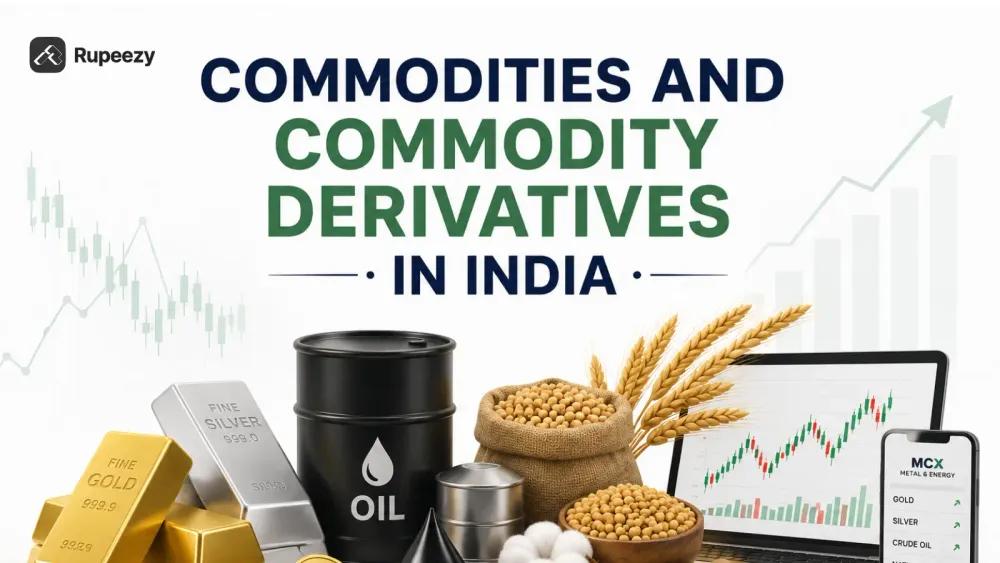
In today's times, commodities trading is no longer limited to large investors; it is rapidly gaining popularity among Indian retail investors as well. Commodities such as gold, silver, crude oil, and agricultural products play a vital role in the global economy. Meanwhile, commodity derivatives in India offer traders and businesses the opportunity to hedge against price fluctuations. In this guide, we will explore commodities, derivatives, and MCX trading along with their benefits and risks in simple language.

What Are Commodities?
Commodities are basic raw materials or natural products used in the production of various goods and services. Since their quality and characteristics are standardized, they can be bought and sold on a large scale. Key examples include gold, silver, crude oil, natural gas, copper, cotton, and soybeans.
In India, commodity trading takes place through a regulated market where investors and traders can trade based on price fluctuations. Currently, commodity derivatives trading is primarily available on the MCX (Multi Commodity Exchange), NSE (National Stock Exchange), and for certain agricultural commodities the NCDEX (National Commodity & Derivatives Exchange). Commodities are considered a significant asset class as they offer investors opportunities for portfolio diversification, a hedge against inflation, and participation in global economic trends.
Types of Commodities Traded in India
In India, the commodity market is primarily divided into four major categories. The prices of commodities in each category are influenced by distinct economic, industrial, and global factors.
Commodity category | Popular Examples | Primary |
Precious Metals | Gold, Silver | Investment, Jewellery Manufacturing, Store of Value |
Base Metals | Copper, Zinc, Aluminium, Lead | Construction, Electrical Equipment, Automobile Manufacturing, Industrial Production |
Energy Commodities | Crude Oil, Natural Gas | Fuel, Power Generation, Transportation, Industrial Applications |
Agricultural Commodities | Cotton, Soybean, Guar Seed, Guar Gum, Coriander, Jeera, Turmeric | Food Production, Exports, Textile Manufacturing, Various Industrial Uses |
Factors That Influence Commodity Prices
Commodity prices are influenced by various domestic and global factors. Understanding these factors is crucial for traders and investors, as they determine the market's direction.
Demand and Supply :
The demand for and supply of a commodity are the most significant factors influencing its price. Prices tend to rise when demand increases and supply decreases, whereas an oversupply can exert downward pressure on prices.
Inflation and Interest Rates :
Investors often turn to commodities like gold when inflation rises. Meanwhile, changes in interest rates can impact commodity demand and investor strategies.
Currency Fluctuations :
Global prices for most commodities are denominated in US dollars. Consequently, fluctuations in the exchange rate between the dollar and the Indian rupee can affect commodity prices.
Geopolitical Developments :
Events such as wars, trade sanctions, and international tensions can cause volatility in prices, particularly for energy and metal commodities.
Weather Conditions and Crop Production :
The prices of agricultural commodities depend on weather conditions and crop production. Droughts, floods, or a weak monsoon can disrupt supply, leading to price fluctuations.
Understanding Commodity Markets India
Commodity markets in India are organized marketplaces where commodities and their derivative contracts are bought and sold. Commodity trading in India is regulated by SEBI and primarily takes place on exchanges such as MCX, NSE, and NCDEX. These markets facilitate price discovery and risk management while offering investment opportunities. Commodity markets constitute a vital part of the Indian economy for farmers, businesses, hedgers, and traders alike.
Key Participants in Commodity Markets India
Participant | Role in Commodity Markets |
Producers | Farmers, mining companies, and commodity producers who sell commodities or use derivatives to manage price risk. |
Consumers | Businesses and industries that buy commodities as raw materials for production and operations. |
Hedgers | Participants who use commodity derivatives to protect themselves from adverse price movements. |
Speculators | Traders who aim to profit from expected changes in commodity prices without owning the physical commodity. |
Arbitrageurs | Market participants who seek to benefit from price differences for the same commodity across different markets or contracts. |
What Are Commodity Derivatives?
Commodity derivatives are financial contracts whose value is based on the price of an underlying commodity, such as gold, silver, crude oil, or agricultural products. They are primarily used for hedging against price fluctuations and for trading purposes. In India, commodity derivatives trading is regulated by SEBI and takes place on exchanges such as MCX, NSE, and NCDEX.
Meaning of Commodity Derivatives
Commodity derivatives are contracts with values ??linked to the market price of a specific commodity. They assist investors, traders, and businesses in managing the risk associated with potential future price changes.
Why Commodity Derivatives Trading Is Important
Commodity derivatives trading helps businesses and investors protect themselves against the risk of price volatility. Additionally, it offers opportunities for market participation with lower capital, improved price discovery, and portfolio diversification.
Types of Commodity Derivatives
Futures Contracts : A futures contract is a standardized agreement in which the buyer and seller agree to transact a commodity at a predetermined price on a specific future date.
Commodity Options : Commodity options grant the buyer the right but not the obligation to buy or sell a contract at a specific price.
Forward Contracts : A forward contract is a private (over-the-counter) agreement between two parties to transact a commodity at a set price in the future. In India, organized commodity exchanges primarily trade in futures and options contracts.
Futures Contracts Commodities: Everything You Need to Know
Futures contracts are the most popular type of commodity derivatives. They are used by traders, investors, and businesses to trade on future prices or to mitigate price risk. In India, commodity futures trading primarily takes place on exchanges such as MCX, NSE, and NCDEX.
What Is a Futures Contract?
A futures contract is a standardized agreement in which the buyer and seller agree to transact a commodity at a predetermined price on a specific future date. All terms of these contracts are determined by the exchange.
Feature | Description |
Contract Specifications | The type, quantity, and quality of the commodity are determined in advance. |
Expiry Date | The contract has a fixed end date. |
Margin Requirement | Trading can be done by depositing only the margin instead of the full amount. |
Settlement Process | The contract can be settled through cash settlement or delivery. |
How Commodity Futures Contracts Work
In futures trading, a trader takes a position based on the expectation that the price of a commodity will rise or fall. If the market moves in line with their expectation, they make a profit; otherwise, they may incur a loss.
The trader buys or sells a futures contract for a commodity.
The exchange blocks a specified margin amount.
Profit or loss is calculated daily based on the contract price.
The position can be squared off before expiry, or the contract is settled.
Example of Gold Futures Trading
Suppose a trader believes the price of gold might rise. They buy a gold futures contract. If the price of gold increases after the purchase, they can make a profit by selling their position. Conversely, if the price falls, they may incur a loss.
Example of Crude Oil Futures Trading
Crude oil prices fluctuate rapidly based on global events and supply-demand dynamics. If a trader expects the price of oil to rise, they can buy crude oil futures. They profit if the price increases, whereas a price drop can result in a loss.
Common Terms Every Commodity Trader Should Know
Term | Description |
Margin | The initial amount deposited by a trader to enter into a futures contract. |
Lot Size | The specified quantity of the commodity involved in a futures contract. |
Open Interest | The total number of active and unsettled positions in a contract. |
Expiry Date | The specified date on which a futures contract expires. |
Contract Value | The total value of the contract, which is determined based on the commodity's market price and lot size. |
MCX Trading: India's Leading Commodity Exchange
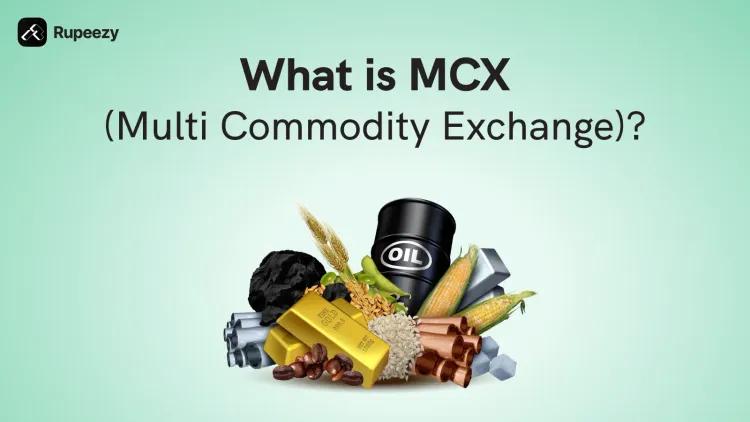
MCX trading is a significant component of commodity derivatives trading in India. The Multi Commodity Exchange (MCX) is the country's largest commodity exchange, where investors and traders can trade futures and options contracts for gold, silver, crude oil, natural gas, and various metals. MCX is regulated by SEBI, ensuring a transparent and secure trading process.
What Is MCX Trading?
MCX trading refers to trading in commodity derivatives contracts listed on the MCX exchange. The exchange offers investors the opportunity to capitalize on price fluctuations of various commodities and to manage price risk.
Popular Commodities Available for MCX Trading
Gold and Silver Contracts : Gold and silver are among the most actively traded commodities on MCX. They are utilized for investment, hedging, and portfolio diversification.
Crude Oil and Natural Gas Contracts : These energy commodities are highly popular among active traders due to their high volatility. Their prices are influenced by global supply and demand dynamics as well as geopolitical events.
Base Metal Contracts : Base metals such as copper, zinc, aluminum, and lead are also traded on MCX. Their prices depend on industrial activity and global economic conditions.
Crude Oil Futures: Understanding India's Most Active Energy Contract
Crude Oil Futures are among the most actively traded energy commodity contracts in India. Crude oil is a vital resource for the global economy; consequently, fluctuations in its price impact sectors such as transportation, manufacturing, and many others. For this reason, crude oil futures are highly popular among traders and hedgers.
What Are Crude Oil Futures?
Crude Oil Futures are derivative contracts in which the buyer and seller agree to trade crude oil at a predetermined price on a specific future date. In India, these contracts are primarily traded on the MCX.
Benefits of Commodity Derivatives India
Commodity derivatives offer several significant benefits to Indian investors, traders, and businesses. They serve not only as a trading instrument but also aid in risk management and portfolio diversification.
Portfolio Diversification
Commodity derivatives provide investors with an additional investment option alongside equities and other asset classes, helping to reduce overall portfolio risk.
Protection Against Inflation
Gold, silver, and certain other commodities are often considered effective hedges against inflation. Their prices tend to strengthen during periods of rising inflation.
Hedging Against Price Risk
Farmers, manufacturers, and other businesses can utilize commodity derivatives to protect themselves against future price fluctuations.
Opportunity to Trade Both Market Directions
Traders can capitalize on opportunities in both rising and falling markets, allowing for trading potential across various market conditions.
Access to Global Market Trends
Commodity prices are influenced by global events and economic activities. This provides investors with the opportunity to participate in the movements of international markets.
Traders can also compare broader market movements using a market heatmap to identify which stocks and sectors are showing strength or weakness. This can provide additional market context when analysing commodity-linked trends and their potential impact on equities.
Risks of Commodity Derivatives Trading
Trading in commodity derivatives involves significant risks alongside the potential for profit. Therefore, it is essential to understand these risks before you begin trading.
Market Volatility Risk
Commodity prices can fluctuate rapidly due to supply and demand dynamics, economic data, and global events, increasing the potential for both profits and losses.
Leverage Risk
Futures and other derivatives are traded on a margin basis. This allows for taking large positions with relatively small capital, but it also means that potential losses can escalate proportionately.
Liquidity Risk
Trading volumes for certain commodity contracts may be low, making it difficult to enter or exit positions at a fair price.
Regulatory Risk
Changes in exchange rules, margin requirements, or regulatory policies can impact commodity trading.
Global Event Risk
Events such as wars, trade restrictions, natural disasters, and geopolitical tensions can trigger sudden fluctuations in commodity prices.
How to Trade Commodity Derivatives Using Rupeezy
Follow the simple steps below to start commodity trading:
Step 1: Open a Rupeezy Account
Open a trading and demat account with Rupeezy and complete the required KYC process.
Step 2: Activate the Commodity Segment
Once your account is open, activate the commodity segment to enable trading in commodity derivatives.
Step 3: Add Funds
Deposit the required amount into your trading account. You can trade in commodity contracts based on the available margin.
Step 4: Select a Commodity Contract
Choose a commodity contract such as Gold, Silver, Crude Oil, Natural Gas, or other available options.
Step 5: Place Your Trade
Place a 'Buy' or 'Sell' order based on market analysis and monitor your position.
Step 6: Manage Risk and Exit the Trade
Use a stop-loss to manage risk and close your position according to your strategy.
Conclusion
Commodity trading offers investors the opportunity to diversify their portfolios and capitalize on various market opportunities. However, it also involves risks; therefore, it is essential to thoroughly understand commodity derivatives, risk management, and market mechanics before commencing trading.
FAQs
Q1. What is commodities trading?
Commodities trading involves the buying and selling of contracts for commodities such as gold, silver, crude oil, and agricultural products.
Q2. What are commodity derivatives?
Commodity derivatives are financial contracts whose value is based on the price of a commodity.
Q3. Is commodity trading legal in India?
Yes, commodity trading is completely legal in India and takes place on exchanges regulated by SEBI.
Q4. Which exchanges offer commodity trading in India?
In India, commodity derivatives trading is primarily available on MCX, NSE, and NCDEX.
Q5. What is MCX trading?
MCX trading refers to trading in commodity futures and options contracts on the Multi Commodity Exchange.

Anupam Shukla is a finance content writer and an NISM-certified research analyst with over Seven years of trading experience. With a passion for the stock market, he simplifies complex financial concepts, making investing and trading easier for everyone. His expertise helps readers stay ahead in the ever-changing world of finance, empowering them to make smarter money moves.
Did you like this blog?
Be the first to like this blog.
The content on this blog is for educational purposes only and should not be considered investment advice. While we strive for accuracy, some information may contain errors or delays in updates.
Mentions of stocks or investment products are solely for informational purposes and do not constitute recommendations. Investors should conduct their own research before making any decisions.
Investing in financial markets are subject to market risks, and past performance does not guarantee future results. It is advisable to consult a qualified financial professional, review official documents, and verify information independently before making investment decisions.
All Category