
Open a Free Demat Account !
₹0 AMC & Account Opening Fee
A Comprehensive Guide to How Stock Brokers Make Money in 2023

 Last Updated: 17 September, 2026
 3 min read




00:00 / 00:00


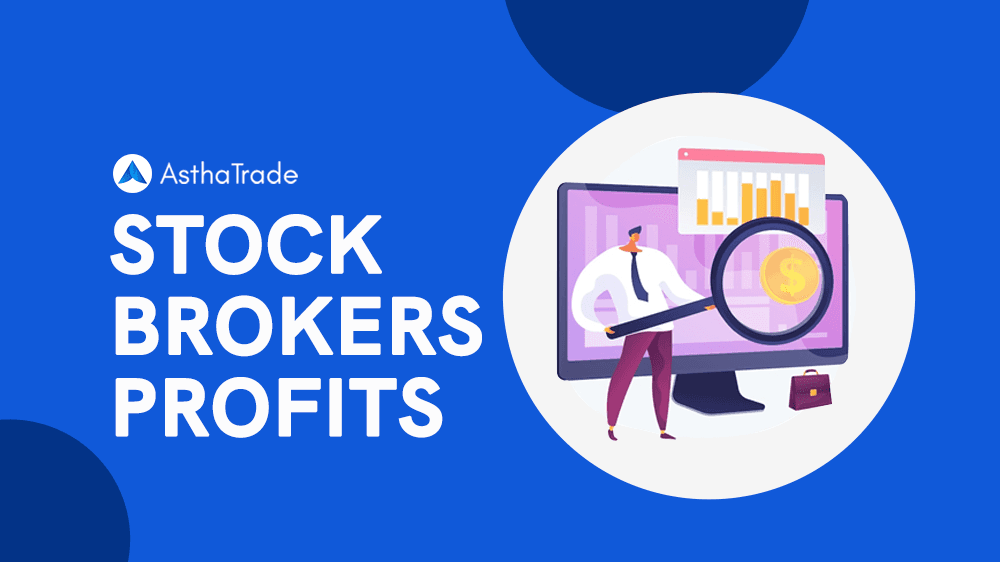
To trade on the National Stock Exchange (NSE), Bombay Stock Exchange (BSE), Metropolitan Stock Exchange (MSE), and other stock exchanges, you need a stockbroker.
A stockbroker will carry out trading stocks and make trading strategies on your behalf if you want to purchase or sell equities through these exchanges.
The stockbroker will charge a commission for this service, which is often a set fee or a percentage of the transaction value.
Penny stocks often trade for less than 50 rupees, which are often illiquid stocks and have a small market capitalization.
The general investing public is investing in penny stocks with stockbrokers, based on their recommendations, due to expectations of rising share prices in the future.
Sub-brokers work as a franchise for a broker and as per their ability to make money by offering trading tips to their clientele and the broker they partner with.
A broker arranges and manages investments and stock transactions and aids in the sale of derivatives, stocks, bonds, and other financial products.
Investment guide, designed to assist you in managing your investment portfolio, is sold by brokers.
HDFC Securities, ICICIdirect, Kotak Securities, Axis Direct, Zerodha, Angel Stocks, Upstox, and Astha Trade are some of the leading stockbrokers.
They offer full-service brokerage services in the form of portfolio management, stock trade, settlement, and other investment advisory services to its retail and corporate clients.

How do stock brokers make money?
It depends upon the various types of compensation, which are as follows:
Broker Fees
To carry out transactions or offer specific services on behalf of clients, brokers may collect fees or commissions.
For services, including acquisitions, trades, advice, contracts, and delivery, brokers charge brokerage fees.
Referral Bonuses
A referral bonus is an award given to an existing client who helps the stock brokerage in referring someone for a new Demat or trading account or other services.
Commissions
It is compensation in the form of a fixed percentage or variable percentage, which is based on portfolio value or incentive earned.
Strengths and abilities to make higher stock profits
The product selection you provide as a sub-broker affects your profits as well. You will be able to provide a variety of items to suit various clientele if you pick the correct partner and start a franchise.
These might be mutual funds, IPOs, commodities, currencies, or stocks. The more options you have, the broader your clientele is, and the better your chances are of making a good living.
Building a client base, staying in touch with them frequently, and offering them suggestions and assistance on their investment decisions are key components of success and revenue as a sub-broker.
Building your market expertise is, therefore, crucial and a great investment. Your income is also impacted by your capacity to deliver value, trust, and effective services.
For investors looking to build their stock holdings gradually, a stock SIP can provide a systematic way to invest a fixed amount in eligible stocks at regular intervals. This can help investors maintain discipline while building their equity portfolio over the long term.
Conclusion
When interpreting the significance of a stockbroker, it’s important to remember that they provide an investor with a service to acquire and sell shares on behalf of a customer and inform investors.
So they may make wise financial choices. Stockbrokers should always provide reliable advice on which equities to trade at reasonable times because they are knowledgeable about the markets.
Before providing such suggestions, they thoroughly research securities.
Many stockbrokers also offer a Margin Trading Facility (MTF), which allows investors to purchase eligible stocks by paying only a portion of the total trade value upfront. This can provide additional buying capacity, although investors should understand the associated costs and risks before using leverage.
Aron Vaxen is a Content Manager at Rupeezy with over 6 years of experience in the finance industry. He holds a B.Com degree from Canara College. Aron is passionate about stock market research and brings in-depth expertise in stocks, futures and options, mutual funds, ETFs, and personal finance. He specializes in creating actionable content that simplifies complex financial concepts for a diverse audience.
Did you like this blog?
Be the first to like this blog.
The content on this blog is for educational purposes only and should not be considered investment advice. While we strive for accuracy, some information may contain errors or delays in updates.
Mentions of stocks or investment products are solely for informational purposes and do not constitute recommendations. Investors should conduct their own research before making any decisions.
Investing in financial markets are subject to market risks, and past performance does not guarantee future results. It is advisable to consult a qualified financial professional, review official documents, and verify information independently before making investment decisions.
Open Rupeezy account now. It is free and 100% secure.
Start Stock Investment

All Category