

Open a Free Demat Account !
₹0 AMC & Account Opening Fee
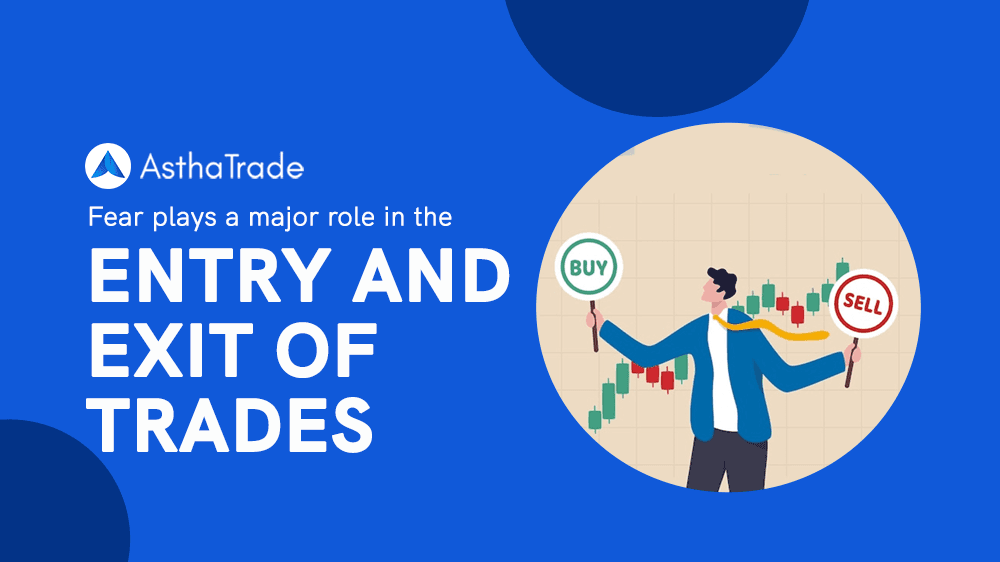
Conquer Your Fear and Take Control of Your Trading

 Last Updated:
 3 min read




00:00 / 00:00


The fear of losing money sometimes can overwhelm people. Human nature cannot accept losses easily.
You will be surprised to know that the thought of losing money is double that of winning it during the market rallies.
Stock market gains require years of practise and advanced market dynamics to maximise profits instead of entry out of FOMO.
Understanding a company’s fundamentals or the stock’s trend is an essential technical skill but not above the mindset.

Fears of Trading
The fears of trading range from the terror of losing to the thought of missing out. The idea of letting a profit turn into a loss and the doubt of not being right are examples of fears.
You will need to believe in yourself while executing each trade and have a fearless mindset. Conquer your market fears and trade with confidence.
Use Logic
The stock market can be a risky affair, and involving yourself emotionally will get you nothing more than a panic exit.
Keep yourself updated with the top news, educate yourself about market trends and support your actions with adequate logic.
The fear of losing money sometimes makes a person skip opportunities for gain. Start assessing your performance periodically and change habits to enhance your returns.
How to Handle a Market Crash?
The most common mistake that investors make during a market crash is selling out their holdings anticipating a more significant loss.
Investors can see it as an opportunity and take advantage of the low prices.
However, when you see the market going extremely volatile, be prepared to get back to cash. Do not be greedy as greed can lead to doom in the investment sector.
Your resistance to an emotional action is going to pay off. Let the emotions stabilise and see how you’ve fared.
The Volatile Nature of Greed and Fear
Volatility has a vital role in determining the value of an asset. Greed and fear can be referred to as measures of volatility. The focus should be on using these factors to study the inner market.
The best way to respond to market trends is by making appropriate entries and exits.
Remember, successful investors insist on selling due to greed and buying due to extreme fear, while always backing their decisions and actions with logic.
When markets become volatile, it can also be useful to compare how different stocks and sectors are performing. A market heatmap can provide a quick visual overview of market movements and help investors identify areas of strength and weakness.
Investors can also check the share market today to track current market movements and see how different stocks and sectors are performing during periods of volatility.
Conclusion
The mentality of having it all or nothing is a risky game. Believe in yourself and keep telling yourself that you are here for the long run.
Do not make investment strategies in haste or change them. Formulate a plan and understand that every investor is different.
Don’t get distracted by the market noise and keep your emotions under control.
Think logically and make rational decisions. Don’t make decisions based on emotions. When it comes to market strategies, a disciplined approach wins.
Aron Vaxen is a Content Manager at Rupeezy with over 6 years of experience in the finance industry. He holds a B.Com degree from Canara College. Aron is passionate about stock market research and brings in-depth expertise in stocks, futures and options, mutual funds, ETFs, and personal finance. He specializes in creating actionable content that simplifies complex financial concepts for a diverse audience.
Did you like this blog?
Be the first to like this blog.
The content on this blog is for educational purposes only and should not be considered investment advice. While we strive for accuracy, some information may contain errors or delays in updates.
Mentions of stocks or investment products are solely for informational purposes and do not constitute recommendations. Investors should conduct their own research before making any decisions.
Investing in financial markets are subject to market risks, and past performance does not guarantee future results. It is advisable to consult a qualified financial professional, review official documents, and verify information independently before making investment decisions.
Open Rupeezy account now. It is free and 100% secure.
Start Stock Investment
All Category